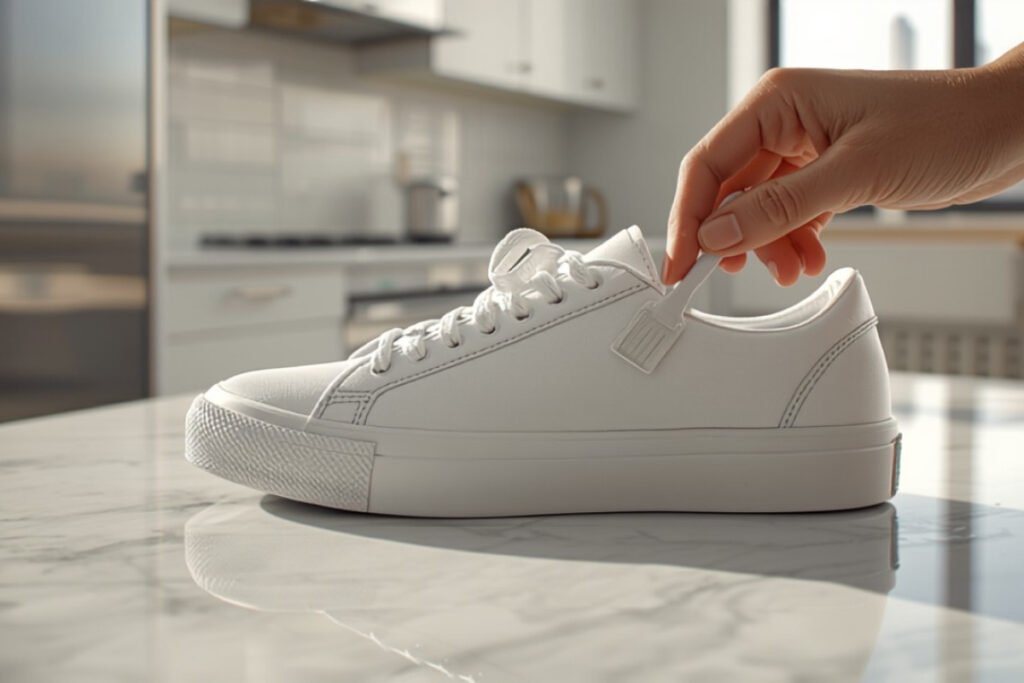
A pair of well-loved sneakers takes a beating on New York City streets, subway platforms, and sidewalks, and a home cleaning attempt with a toothbrush and dish soap often does more harm than good. Professional sneaker cleaning has grown into its own specialty for exactly this reason, treating materials like suede, leather, mesh, and foam midsoles with techniques suited to each one rather than a single generic scrub. Understanding what actually goes into a proper cleaning helps explain why the results look so different from a quick at-home attempt. Even sneakers that look salvageable at a glance often hide deeper wear once a technician examines the stitching, sole bonding, and material condition up close, which is part of why professional evaluation catches problems a home cleaning would miss entirely.
Why Sneakers Need Specialized Cleaning
Modern sneakers combine several different materials in a single shoe, and each one reacts differently to water, heat, and cleaning agents. Suede can develop permanent water stains from ordinary tap water. Leather can crack if it dries out too quickly after cleaning. Foam midsoles yellow over time from UV exposure and oxidation, a chemical process that scrubbing alone cannot reverse. Mesh uppers trap dirt deep in the weave that a surface wipe never fully removes. A general dry cleaning service that understands specialty materials applies the same careful, material-specific logic to sneakers that it applies to delicate garments.
What Professional Sneaker Cleaning Actually Involves
A proper sneaker cleaning process typically starts with removing laces and insoles for separate cleaning, since these often hold as much dirt and odor as the shoe itself. The upper is then treated based on material, suede gets a dry brushing and specialized cleaner rather than water, leather gets conditioned after cleaning to prevent cracking, and mesh or canvas can tolerate a more thorough wet cleaning. Midsoles get scrubbed and, when possible, treated to slow further yellowing. Good Housekeeping has published testing and reviews of sneaker cleaning methods and products, available at Good Housekeeping, which consistently finds that material-specific treatment outperforms one-size-fits-all cleaning approaches. Drying is handled carefully too, away from direct heat sources that can warp soles or shrink certain fabrics.
Common Home Cleaning Mistakes
The most common mistake is treating every sneaker the same way, typically with a stiff brush and generic soap regardless of material. Throwing sneakers in a washing machine is another frequent error: the tumbling action can separate glued soles, warp shape-retaining structures, and damage cushioning technology that many modern sneakers rely on. Consumer Reports has tested various home cleaning methods against professional results and found that aggressive home methods often trade short-term dirt removal for long-term material damage, detailed at Consumer Reports. Bleach and other harsh chemicals are especially risky on colored materials, where they can cause irreversible discoloration within seconds, and heat from a clothes dryer is one of the single fastest ways to warp a sole or shrink a mesh upper permanently.
Odor Removal Is Its Own Challenge
Odor lives deep in the foam and fabric layers of a sneaker, not just on the surface, which is why a quick surface wipe rarely solves a persistent smell problem. Effective odor treatment usually combines a deep clean of removable components with a treatment step targeting the bacteria that cause odor in the first place, rather than simply masking it with fragrance. The American Cleaning Institute has published research on how odor-causing bacteria interact with different fabric and foam types, available at the American Cleaning Institute, which explains why odor tends to return quickly after a surface-only cleaning.
A Neighborhood Example: Williamsburg
Williamsburg has one of the highest concentrations of sneaker collectors and enthusiasts in the city, alongside a large population of residents who simply walk or bike everywhere and put serious daily wear on their shoes. A wash and fold service in Williamsburg that also handles specialty sneaker cleaning gives residents one place to drop off both everyday laundry and higher-maintenance footwear rather than searching for a separate specialty cleaner across the neighborhood.
Protecting Sneakers Between Cleanings
A protective spray applied to clean sneakers can meaningfully extend the time between deep cleans by repelling water and staining agents before they set into the material. The Spruce has published guidance on protective treatments and proper storage for sneakers, including how humidity and direct sunlight accelerate material breakdown over time, available at The Spruce. Rotating between multiple pairs rather than wearing the same sneakers daily also slows wear considerably, giving foam midsoles time to decompress between wears, which extends the usable life of the cushioning by a meaningful margin over a year of regular use.
Who We Are
We built our specialty cleaning services around the same principle that guides everything we do: match the cleaning method to the material, not the other way around. You can read more about our background and approach to fabric care on our about us page.
The Same Careful Approach for Other Life Stages
Material-specific, careful handling matters just as much for other laundry needs that get overlooked in a standard wash cycle. Older adults in particular often have specialty items, along with physical limitations that make regular laundry more difficult, both of which benefit from the same thoughtful approach. We cover this in detail in our guide to laundry service for NYC seniors and aging in place.
If your sneakers need more than a quick wipe down, professional cleaning can restore them without risking the kind of damage a home attempt often causes.