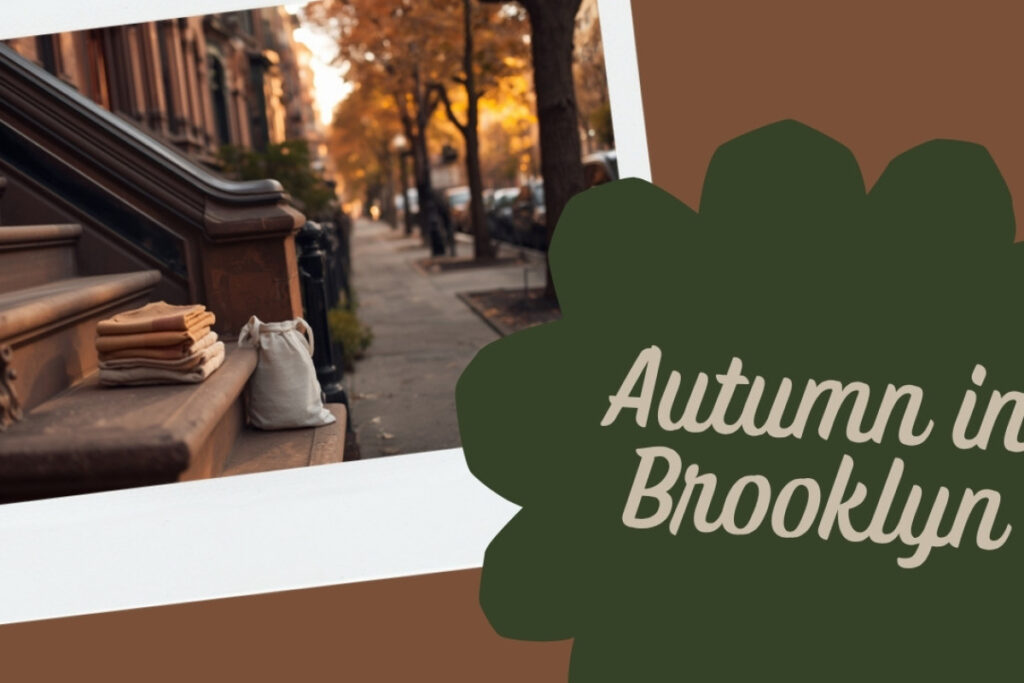
Park Slope laundry pickup and delivery has become less of a convenience and more of a necessity for the neighborhood’s brownstone families. Between double-parked strollers on Seventh Avenue, muddy dog walks along Prospect Park, and pre-war buildings that were never plumbed for a washing machine, the math on hauling laundry bags down three flights of stoop steps simply does not work for most residents anymore. This guide breaks down what door-to-door laundry service actually looks like in Park Slope, from wash and fold basics to caring for the wool coats and cashmere sweaters that get heavy rotation once the weather turns.
Why Brownstone Living Means Outsourcing the Wash
Park Slope is one of Brooklyn’s most beloved historic districts precisely because so much of it was built before anyone imagined a washer and dryer in every home. Limestone and brownstone row houses from the 1880s and 1890s were designed around coal chutes and dumbwaiters, not utility closets. Many garden and parlor-floor apartments still have no laundry hookup at all, and even buildings that squeeze in a shared basement machine often have just one working unit for a dozen households.
The Hidden Cost of a Walk-Up Without In-Unit Laundry
For a family with two working parents, a toddler, and a dog that insists on rolling in Prospect Park mud every weekend, a trip to the laundromat is rarely just a load or two. It is bags down the stoop, a stroller balanced on top of a hamper, quarters or an app that never quite has the right balance, and an hour of folding on a plastic table while keeping an eye on a three-year-old. Laundry pickup and delivery removes that entire chain of small frictions. For a deeper look at why in-unit laundry has become such a rare luxury across the city, our guide on why in-unit laundry is a luxury in NYC apartments covers the building history behind it, and the New York City Building Code explains why older row houses were never required to retrofit plumbing for household laundry equipment.
How Pickup and Delivery Works on a Park Slope Stoop
The process is built around the way brownstone blocks actually function. Instead of requiring a doorman or a building superintendent, service is scheduled around a pickup window at the stoop, garden gate, or building vestibule. Bags go out in the morning, clean laundry comes back within a day or two, and there is no coordinating with neighbors over a shared machine. Our how it works page walks through scheduling, bag labeling, and turnaround times in more detail.
Everyday Wash and Fold for Brownstone Families
Wash and fold covers the bulk of a typical household’s laundry load: school clothes, bedsheets, towels, gym clothes, and the seemingly endless rotation of a toddler’s outfits. Everything is sorted, washed in appropriately sized loads, and folded rather than crammed into a single overstuffed bag. For Park Slope residents specifically, our Park Slope wash and fold service page has neighborhood-specific pickup zones and pricing.
Dry Cleaning for Wool, Cashmere, and Special-Occasion Pieces
Once autumn arrives, closets fill up with wool coats, cashmere sweaters, and the kind of structured pieces that a home washing machine can ruin in a single cycle. According to the Drycleaning and Laundry Institute, wool and cashmere fibers are especially prone to matting, pilling, and shrinkage when agitated the way a standard wash cycle agitates cotton, which is why these pieces are almost always labeled dry clean only. Our dry cleaning service handles these fabrics with the appropriate process rather than a one-size-fits-all wash.
What Eco-Friendly Dry Cleaning Actually Means Now
Dry cleaning has a reputation for harsh chemicals, and for decades that reputation was earned by perchloroethylene, commonly known as perc. The Environmental Protection Agency has finalized rules phasing perc out of dry cleaning use, pointing to wet cleaning and other lower-hazard alternatives as viable replacements with similar cost and effectiveness. That shift matters for Park Slope households that keep dry-cleaned garments in small closets near where children sleep, since residual solvent has historically been one of the more common indoor air quality complaints tied to dry cleaning.
Pre-Treating Stains Before the Bag Goes Out
A few small habits at home make a real difference in how well a stain comes out in the wash. The American Cleaning Institute recommends treating stains as soon as possible rather than letting them sit, and avoiding the dryer entirely until a stain is confirmed gone, since heat can set what detergent alone could have lifted. Noting a stubborn stain when scheduling pickup, or leaving a quick note in the bag, helps a laundry service target it directly instead of running it through a standard cycle.
Prospect Park Mud, Dog Walks, and Weekend Loads
Few neighborhoods generate laundry quite like one built around a 526-acre park. Between soccer practice on the Long Meadow, dog walks along the Lullwater, and picnic blankets that come home covered in grass, Park Slope households tend to run heavier weekend loads than most. Building a laundry pickup schedule around the weekend, rather than squeezing in a weekday trip, tends to match how the neighborhood actually lives.
Getting Started in Park Slope
Between brownstone stoops with no laundry hookup, wool coats that need real care, and a park that guarantees a steady supply of mud and grass stains, Park Slope is a neighborhood where laundry pickup and delivery solves more than one problem at once. Scheduling a first pickup takes only a few minutes, and most new customers see their first clean, folded load returned within a day or two of signing up.