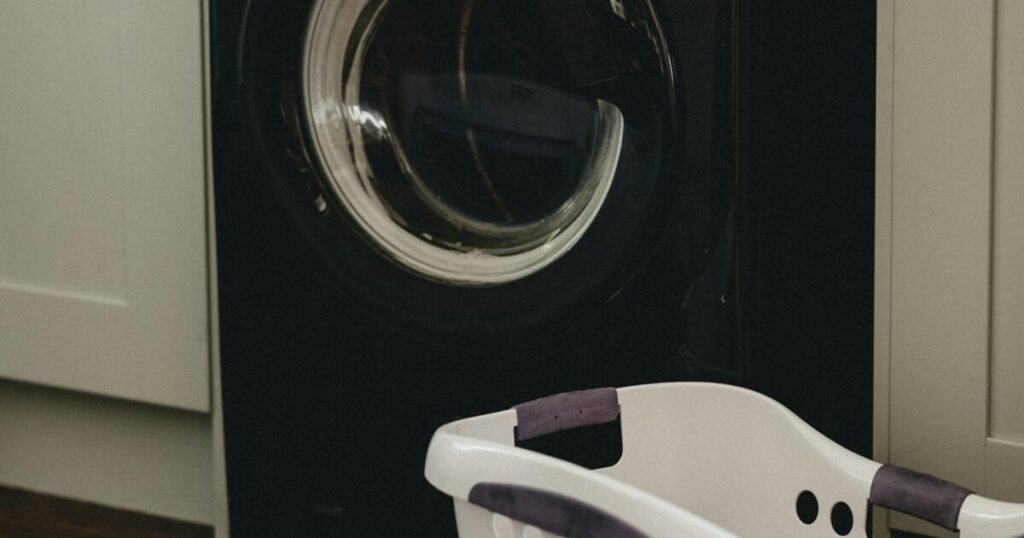
If you have ever stood in a dim dorm basement at 11 p.m., laundry card in hand, watching a stranger’s clothes tumble in the only working dryer, you already know why laundry service for college students in New York City is having a moment. Between classes, internships, a part-time job, and an actual social life, laundry is the chore most NYC students push to the bottom of the list until they are down to their last clean pair of socks. College laundry in New York City does not have to mean hoarding quarters, hauling a duffel bag on the subway, or fighting for a machine during finals week. This guide covers why NYC dorm laundry rooms are so painful, how pickup and delivery service actually works, and how to protect both your clothes and your budget all semester.
Why the Dorm Laundry Room Is Everyone’s Least Favorite Place
Most residence halls have far fewer machines than residents, which means peak hours, usually weekend afternoons and the week before finals, turn into a waiting game. Laundry apps that show which machines are free are helpful until every single one reads occupied. Add in laundry cards that never seem to have enough balance, machines that eat quarters without starting a cycle, and the very real risk of a stranger pulling your damp clothes out of a washer before the cycle finishes, and it is no wonder so many students give up and let laundry pile up for weeks. There is also a safety angle that rarely gets mentioned: high-traffic dormitory laundry rooms see heavier lint buildup than a typical home, and fire safety researchers at the National Fire Protection Association specifically flag group living situations like dorms as needing more frequent dryer vent inspections than a typical residential unit.
How Laundry Pickup and Delivery Actually Works for Students
A wash and fold laundry service flips the whole equation. Instead of guarding a machine, you schedule a pickup window that fits around your class schedule, bag up your clothes, and leave them at your building lobby or apartment door. Everything comes back washed, dried, and neatly folded, usually within a day or two, so there is no cycle to babysit and no dryer to fight over during midterms. If you have never used a pickup service before, it helps to see the process laid out step by step, from first order to delivery, on the how it works page before you commit to a first order. For students juggling a tight schedule, that predictability alone is often worth more than the time saved.
Reading Care Labels Before You Ruin Your Favorite Hoodie
Nothing ruins a semester wardrobe faster than a wool sweater that comes out of the dryer three sizes smaller, or a screen-printed hoodie that cracks after one hot wash. Every garment sold in the United States is required to carry a permanent care label under the Federal Trade Commission’s Care Labeling Rule, and the FTC’s guide to the Care Labeling Rule is a useful primer on what those symbols actually mean and why manufacturers are required to include them. Beyond reading labels, basic sorting habits go a long way: separating darks from lights, pulling out anything that sheds lint like fleece or bath towels, and washing heavily soiled gym clothes apart from lightly worn items. The American Cleaning Institute’s guide to sorting laundry breaks down exactly how to group loads so colors do not bleed and delicate fabrics do not get beaten up by zippers and buttons.
Budget-Friendly, Eco-Smart Laundry Habits for Student Life
Laundry costs add up fast on a student budget, especially once you factor in detergent, dryer sheets, and the laundry card reloads that always seem to run out at the worst time. A few habits stretch both your money and your clothes further. Washing on cold instead of hot cuts energy use significantly and is gentler on fabric, and waiting for a genuinely full load instead of running a machine half empty means fewer cycles overall. According to guidance from ENERGY STAR, certified washers use meaningfully less water and energy per load than standard machines, and simple choices like a cold wash setting can cut a load’s energy use substantially. Skipping the dryer for sturdier items and air-drying on a rack in a small apartment is another easy way to save on shared utility costs and extend the life of your clothes.
Best NYC Neighborhoods for Student Laundry Pickup
Laundry pickup service is especially useful for students clustered around NYC’s major campuses. Around NYU, Parsons, and The New School, students in Greenwich Village deal with some of the smallest apartments and oldest walk-up buildings in the city, where in-unit machines are rare and laundromat lines are long. Farther uptown, students at Columbia, Barnard, and CCNY based in and around Harlem face similar building constraints along with longer commutes back to campus, making a pickup window that works around a class schedule especially valuable. In both neighborhoods, the appeal is the same: get laundry off your plate without losing a study block or a Saturday to a laundromat.
College in New York City already asks a lot of your time and attention. Handing laundry off to a reliable pickup and delivery service is one of the simplest ways to get a few hours back each week, protect your clothes from overcrowded dorm machines, and keep your budget in check while you focus on classes, internships, and everything else on your plate this semester.